

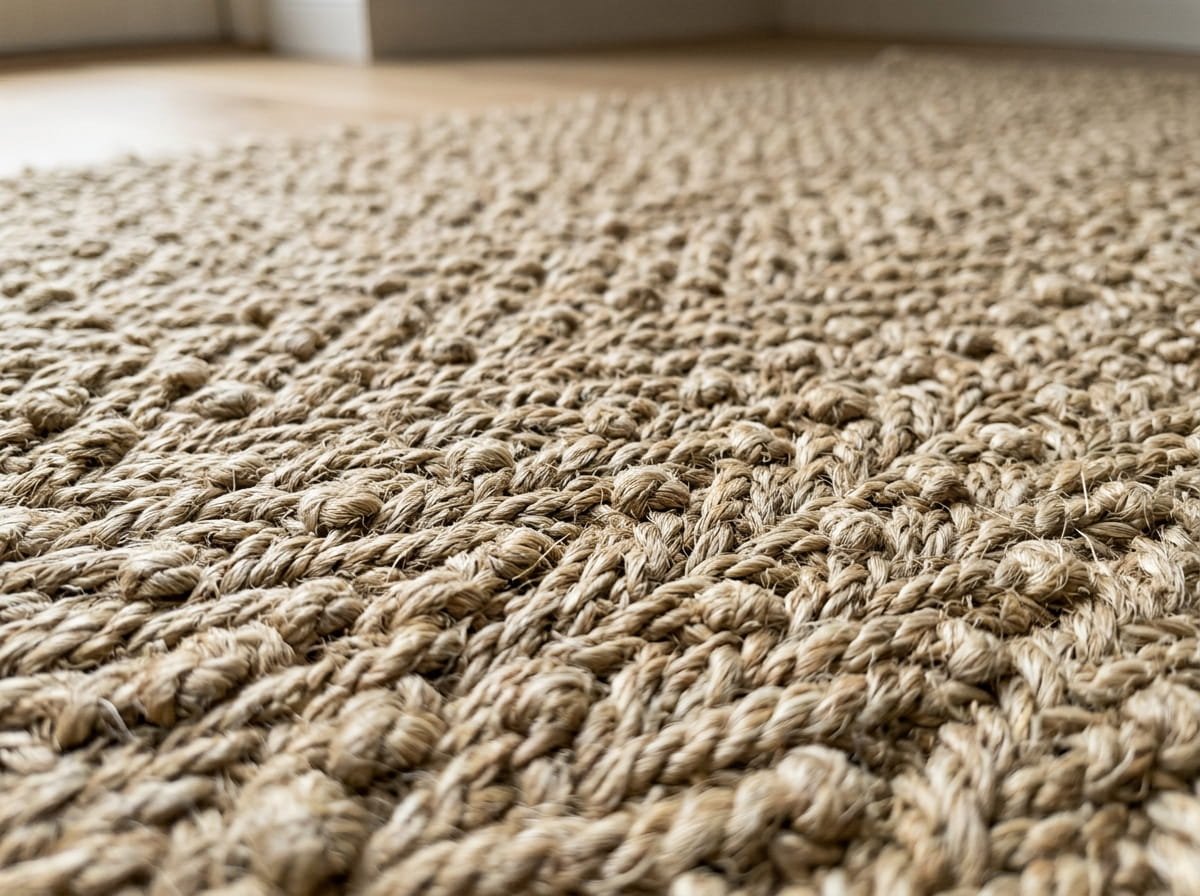
Sisal carpet has become a favorite among eco-conscious homeowners seeking natural, durable flooring that brings organic texture into modern interiors. Harvested from a renewable plant, this natural fiber flooring delivers an earthy aesthetic while aligning with sustainable living goals. Unlike many synthetic options, sisal offers a grounded, timeless look that works across a wide range of design styles.
This complete sisal carpet guide covers everything you need to know: what sisal is and how it’s made, its clear pros and cons, how it compares to other natural fiber options, the main types available, the best rooms for installation, practical styling ideas, care tips, and cost factors. Whether you’re considering wall-to-wall sisal flooring, area rugs, or runners, you’ll find the details to decide if natural sisal carpet is right for your home.
What Is Sisal Carpet?
Sisal carpet is a natural fiber flooring made from the leaves of the Agave sisalana plant, a drought-tolerant agave native to Mexico and widely cultivated in places like Brazil, Tanzania, and Kenya. The long, stiff leaves are harvested, their fibers extracted through a process that removes the pulp, then cleaned, dried, and spun into strong yarns. These yarns are woven into the dense, textured surfaces we recognize as sisal carpet or rugs.
Unlike synthetic carpets that rely on petroleum-based materials, or softer natural options like wool, sisal stands out for its firm, plant-based structure. It is typically more rigid and coarser than wool yet more refined and consistent than coir. The result is a woven sisal carpet with a distinctive earthy appearance and excellent tensile strength. Natural sisal carpet is valued for its biodegradable qualities and the way it brings authentic texture into interiors without the environmental footprint of many man-made fibers.
How Sisal Carpet Is Made
Once the fibers are prepared, they are woven on specialized looms. Common patterns include bouclé (looped for a soft, pebbled look), herringbone (diagonal zigzag for visual movement), and basketweave (a classic, balanced grid). These weaves determine the carpet’s density, durability, and final texture. The finished product can be left natural or dyed in a range of neutral and earth tones, then backed for stability when used as wall-to-wall sisal carpet flooring or finished with bindings for rugs.
Pros of Sisal Carpet
Eco-Friendly and Sustainable
Sisal is one of the more environmentally responsible flooring choices available. The plant grows quickly with relatively low water and pesticide needs, and the fiber is fully biodegradable at the end of its life. Choosing eco friendly carpet made from sisal supports renewable agriculture and reduces reliance on synthetic materials that persist in landfills for decades. For homeowners prioritizing sustainable carpet options, sisal delivers a lower environmental impact without sacrificing performance.
Durability and Longevity
Durable sisal carpet earns its reputation in high-traffic areas. The strong leaf fibers resist crushing and abrasion better than many softer natural fibers, making it suitable for living rooms, hallways, and stairs when properly installed and maintained. With care, quality sisal can last many years, offering strong value over time.
Natural Texture and Aesthetic Appeal
The signature textured sisal carpet surface adds depth and visual interest that flat or plush synthetics often lack. Its earthy, organic look pairs beautifully with both contemporary and traditional interiors, creating a grounded foundation that enhances rather than competes with furniture and décor.
Hypoallergenic Properties
Because sisal does not create the deep pile that traps dust and allergens the way some synthetic or wool carpets can, it is often a better choice for allergy-sensitive households. Regular vacuuming keeps the surface relatively free of irritants.
Cons of Sisal Carpet
Moisture Sensitivity
Sisal’s biggest limitation is water. It absorbs moisture readily, which can lead to staining, darkening, or fiber damage. It is generally not recommended for bathrooms, kitchens, laundry rooms, or basements with humidity issues. Spills should be addressed immediately with dry methods only.
Rough Underfoot Texture
Compared with wool or plush synthetic carpets, sisal feels firmer and more textured underfoot. Some people love the natural sensation; others find it less comfortable for bare feet or lounging, especially in bedrooms. Layering with softer rugs can soften the experience.
Higher Maintenance Requirements
Sisal cannot be steam-cleaned or soaked. Cleaning relies on dry methods, vacuuming, professional dry cleaning, and careful spot treatment. This requires more discipline than many synthetic carpets and can add to long-term care costs.
Sisal Carpet vs Other Natural Fiber Flooring
When comparing natural fiber flooring options, each has distinct strengths:
- Sisal: High durability, medium-to-firm texture, moderate cost, excellent for high-traffic dry areas.
- Jute: Softer and more affordable but less durable; better for low-traffic rooms.
- Coir: Extremely tough and coarse; ideal for doormats and outdoor-adjacent spaces but too rough for most indoor living areas.
- Seagrass: Naturally water-resistant relative to other plant fibers and attractive, yet can feel slick and is less forgiving of spills than some expect.
Sisal often strikes the best balance of durability, refined appearance, and indoor versatility among plant-based sisal floor covering choices.
Types of Sisal Carpet and Rugs
Sisal Area Rugs
Sisal area rugs work especially well in living rooms and bedrooms. Popular sizes range from 5×8 to 9×12 feet, with rectangular shapes most common. They define seating zones while adding natural texture underfoot.
Sisal Runner Rugs
Sisal runner rugs protect high-traffic hallways and entryways. Their length and relatively narrow width make them practical for corridors, and the durable fiber stands up well to foot traffic when kept dry.
Sisal Stair Carpet
Sisal stair carpet is a popular choice for its grip and durability. Professional installation with proper padding and secure fastening is important. The texture provides good traction, and the material holds up to repeated use on stairs better than many softer alternatives.
Sisal Carpet Tiles
Sisal carpet tiles offer modular flexibility. Individual tiles can be replaced if damaged, and installation is often simpler than full wall-to-wall carpet. They suit offices, media rooms, or any space where future adjustments may be needed.
Custom Sisal Carpet
Custom sisal carpet allows precise sizing, special borders, contrasting bindings, and unique shapes. This option is ideal for irregular rooms, large open plans, or homeowners who want a tailored finish that standard rugs cannot provide.
Where to Use Sisal Carpet Flooring
Indoor sisal carpet performs best in dry, low-to-moderate moisture environments: living rooms, bedrooms, home offices, dens, and stairs. These spaces benefit from its texture and durability. Avoid bathrooms, kitchens, laundry areas, and damp basements, where moisture can quickly compromise the fibers. Proper underlayment and professional installation further improve performance as sisal floor covering or full sisal carpet flooring.
Styling Tips for Sisal Carpet
Choosing the Right Color
Beige sisal carpet and other neutral tones remain the most popular because they create a calm, versatile backdrop. These shades complement almost any wall color and furniture palette, from crisp whites to deep earth tones, and work across coastal, modern, and traditional schemes.
Pairing with Furniture and Decor Styles
Sisal pairs naturally with coastal (think light woods and linen), boho (layered textiles and plants), minimalist (clean lines and restrained color), and farmhouse (rustic wood and simple forms) interiors. Its organic texture softens hard surfaces and adds warmth without visual clutter.
Layering Sisal Rugs with Other Textiles
Placing a smaller patterned rug on top of a larger sisal base adds comfort in compact living rooms. Incorporating clever small home storage ideas keeps floor clutter off the woven surface so the textured weave stays visible. This approach is especially useful in living rooms and bedrooms where bare feet spend more time on the floor. The layered look also protects high-wear zones of the sisal while introducing color or pattern.
Using Texture as a Design Feature
In monochrome or low-contrast rooms, the woven surface of textured sisal carpet or woven sisal carpet becomes a quiet focal point. The play of light across the weave adds dimension that flat flooring cannot match, elevating simple spaces with subtle sophistication.
Installation and Maintenance Tips
Professional installation is generally recommended for wall-to-wall or stair applications to ensure proper stretching, seaming, and secure attachment. DIY is more realistic for area rugs and tiles. Always use a quality underlay for comfort and longevity.
For cleaning, vacuum regularly with a strong suction (avoid beater bars that can damage fibers). Blot spills immediately with a dry or slightly damp cloth, never saturate. Professional dry cleaning is preferred for deeper cleaning. Avoid steam cleaning, wet mopping, and harsh chemicals, all of which can damage durable sisal carpet over time.
Cost Considerations
Prices vary by form: area rugs are typically the most accessible entry point, followed by runners and tiles. Wall-to-wall and stair installations cost more due to labor and material waste. Custom work and complex weaves or bindings increase the price further. Factors such as fiber quality, weave density, dye method, and finishing details all influence the final cost. While not the cheapest flooring option, quality sisal often delivers strong long-term value through durability and timeless appeal.
FAQs
Is sisal carpet good for high-traffic areas?
Yes, when kept dry. Its strong fibers resist wear better than many softer natural options, making it suitable for living rooms, hallways, and stairs.
Can sisal carpet get wet?
No. Moisture can stain, darken, or weaken the fibers. It is not recommended for wet or high-humidity spaces.
How long does sisal carpet last?
With proper care in appropriate rooms, quality sisal can last 10–15 years or longer, depending on traffic and maintenance.
Is sisal carpet good for allergies?
Generally yes. It does not trap dust and allergens as readily as deep-pile carpets, provided it is vacuumed regularly.
What’s the difference between sisal and jute rugs?
Sisal is stronger and more durable with a coarser texture. Jute is softer, usually less expensive, and better suited to low-traffic areas.
Can you use sisal carpet on stairs?
Yes. Sisal stair carpet is a popular choice for its durability and traction when professionally installed with proper padding and securing methods.
Conclusion
Sisal carpet offers a compelling combination of eco-friendly credentials, natural texture, and solid durability for the right spaces. While moisture sensitivity and a firmer feel are real trade-offs, the aesthetic and performance benefits make natural sisal carpet a strong contender for living areas, bedrooms, offices, and stairs.
If you’re ready to bring this timeless natural fiber flooring into your home, explore a curated natural sisal carpet collection or speak with a specialist about custom sisal carpet options tailored to your space.





Leave a Reply