

Mid-term rentals sit in a profitable sweet spot most landlords still overlook. Unlike short-term Airbnb stays that demand constant turnovers and photo-perfect staging, or traditional long-term leases that lock you into lower monthly rates and multi-year commitments, mid-term rentals (MTRs) target 30- to 90-day stays. The dominant platform is Furnished Finder, and the tenants who book there, travel nurses, traveling therapists, corporate transferees, and longer-stay digital nomads, care far more about sleep quality, functional kitchens, and reliable workspaces than Instagrammable accent walls.
These guests arrive exhausted from 12-hour shifts or cross-country moves. They will pay a premium for a place that feels like a temporary home rather than a hotel room. When you invest $4,000–$7,000 in a deliberate setup for a standard one-bedroom unit, you routinely achieve 95%+ occupancy and can charge 15–20% above local furnished market averages. The math is straightforward: a well-furnished MTR in most mid-sized markets nets $2,200–$3,200 per month after expenses, with far less owner labor than short-term rentals.
This guide gives you the exact blueprint I use with my own portfolio and with the landlords I consult for. No fluff. Just the room-by-room decisions, budget allocations, and operational systems that turn ordinary apartments into high-performing Furnished Finder assets.
1. Budget Allocation: Where to Splurge vs. Where to Save
A one-bedroom, one-bathroom unit should be fully furnished and staged for $4,500–$6,500 in most U.S. markets. Stretching past $7,000 rarely improves occupancy enough to justify the spend. Allocate the budget by priority:
- Bedroom (Sleep Tech & Storage): 40%
- Living Space & Workstation: 25%
- Kitchen & Dining Essentials: 20%
- Bathroom, Laundry & Utility Kit: 15%
High-ROI Splurges
Mattresses, blackout solutions, and seating that supports eight-hour workdays deliver the highest return. Night-shift nurses will cancel a booking the moment they see thin curtains or a cheap foam mattress. An ergonomic office chair prevents the “this place isn’t workable” reviews that tank future inquiries. In-unit washer/dryer access (or a private basement machine) consistently ranks as a top filter on Furnished Finder. Spend here without hesitation.
Smart Savings
Accent tables, framed wall art, decorative lamps, and dining chairs can all come from reliable mid-tier retailers or lightly used commercial sources. Guests notice the quality of the bed and the desk far more than the style of the side table. Keep decorative items neutral and easily replaceable using budget home decor hacks so you are not writing off expensive pieces every turnover..
2. Room-by-Room Setup for 30+ Day Stays
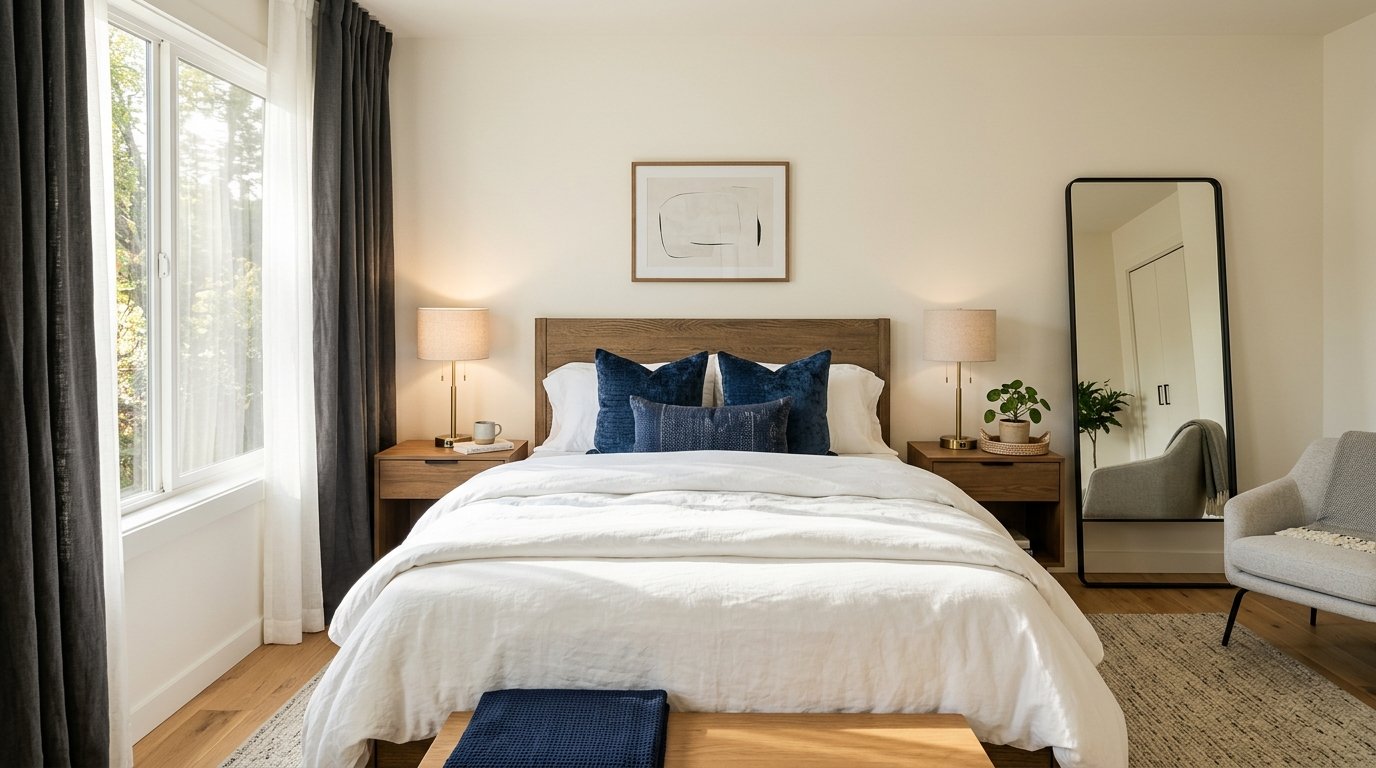
The Shift-Worker Approved Bedroom
Travel nurses and healthcare workers often work nights. Anything less than total blackout is a deal-breaker. Install 100% blackout cellular shades or blackout roller shades with side tracks, then layer blackout curtains on a double rod. “Light-filtering” is not enough.
The mattress must work for back, side, and stomach sleepers. Choose a 10–12 inch hybrid with pocketed coils and a medium-firm memory-foam comfort layer (roughly 5–7 on the firmness scale). Avoid pure memory foam that sleeps hot and cheap innersprings that develop body impressions within months. Pair it with a 300–400 thread-count percale sheet set – cool, crisp, and durable through dozens of washes. Provide two sets so the cleaner always has a fresh rotation.
Every bedside needs a dual USB-A and USB-C charging station and a touch-activated lamp. Guests should never hunt for outlets at 2 a.m. after a shift. Add a full-length mirror, 30+ sturdy wooden hangers, and under-bed storage bins—utilizing smart storage hacks for small apartments, to keep luggage off the floor and maximize total floor space.
The Remote-Ready Workstation
Many mid-term tenants work remotely between shifts or while waiting for hospital credentials. Minimum viable internet is 300 Mbps download with a dedicated mesh node or secondary router placed near the desk. Hardwire the router if possible; Wi-Fi alone is not reliable enough for video calls and charting software.
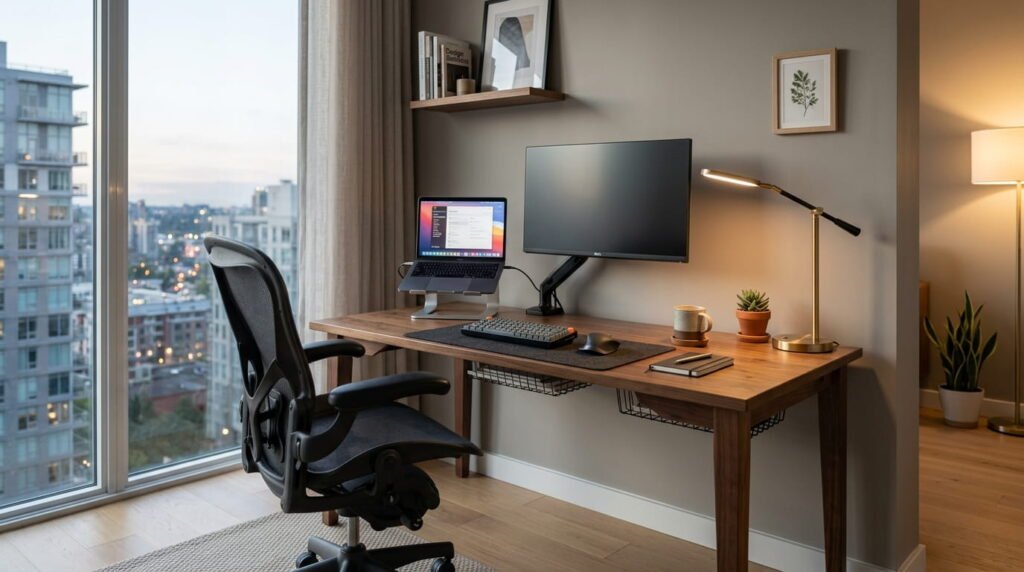
The desk itself must be at least 40 inches wide and 24 inches deep so a laptop, external monitor, and notebook can sit comfortably. Pair it with a true ergonomic office chair that has lumbar support and adjustable height, never a dining chair. Guests will notice the difference immediately and mention it in reviews.
The Chef-Ready Kitchen Inventory
Follow the “4-Person Rule” even in a one-bedroom: four dinner plates, four salad plates, four bowls, four mugs, four glasses, and a full set of flatware. Travelers often host a coworker or family member for a weekend. Dual coffee stations are non-negotiable, Keurig (or equivalent single-serve) plus a traditional drip pot or French press. Stock both with starter pods and grounds.
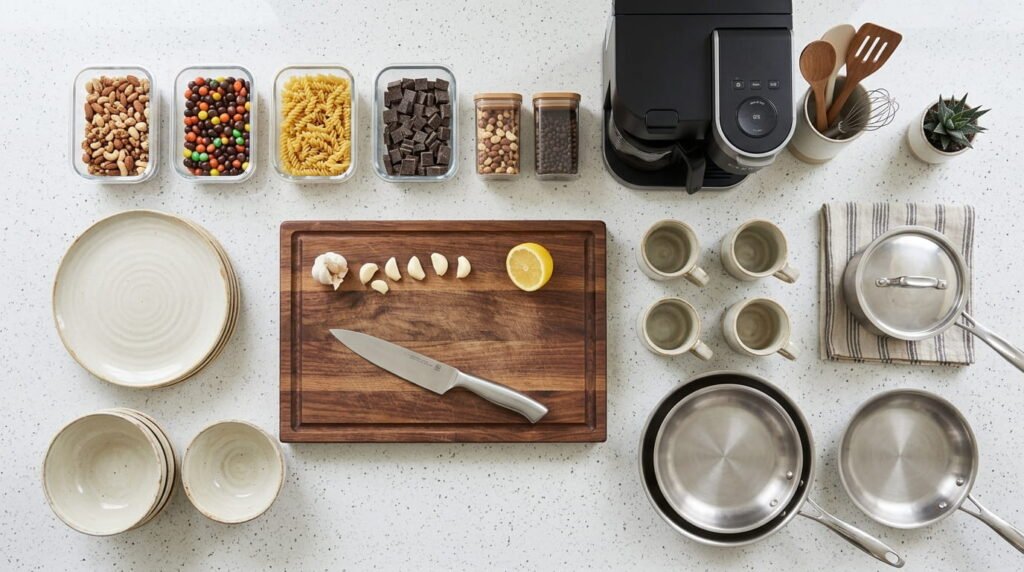
Cookware should be 3-ply stainless steel or heavy ceramic non-stick. Include a full set of mixing bowls, a quality chef’s knife, cutting boards, a colander, and a complete Tupperware or glass meal-prep set. Travel nurses meal-prep aggressively. Missing storage containers generate immediate complaints.
3. Interior Styling: Creating a “Cozy-Durable” Aesthetic
Commercial-Grade Material Selection
Performance fabrics such as Crypton or high-quality leatherette survive 12 months of continuous occupancy far better than standard residential upholstery. Choose washable area rugs in the Ruggable style or similar systems so you can throw the top layer in the machine between guests. High-pile residential carpet looks soft in photos but becomes a maintenance nightmare.
Warm Lighting & Photography Prep
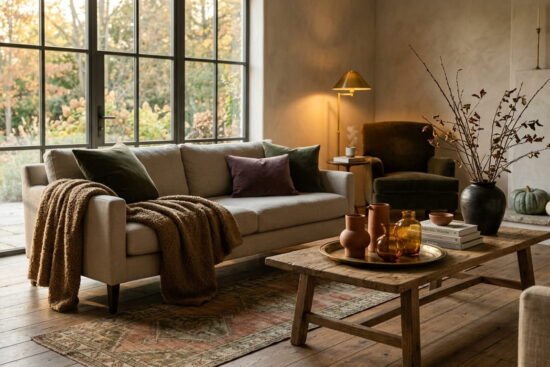
Install 2700K warm-white LED bulbs throughout. The color temperature photographs as inviting and residential rather than clinical. Stick to a tight neutral palette – warm taupe, soft sage, cream, and muted navy. Accent with two or three easy-to-replace throw pillows and a single textured throw. When a guest stains a pillow, you replace a $25 item instead of redecorating the entire living room.
4. The 5 Non-Negotiable Amenities That Close Bookings Fast
In-unit laundry (or dedicated private access) appears in nearly every successful listing filter. Smart keyless locks, Yale or Schlage – with unique temporary codes eliminate key exchanges and give you clean turnover logs. Provide 30+ wooden hangers, under-bed bins, and at least one luggage rack so guests can unpack immediately.
Pet-friendly units open the inquiry pool by more than 60%. Keep a washable couch cover and a silicone food mat on hand. Finally, a dedicated parking spot is critical for nurses arriving after midnight. Street parking or distant lots kill bookings in competitive markets.
5. The “Day-1” Tenant Welcome & Onboarding Protocol
The Starter Consumables Kit
Leave enough supplies for the first 10–14 days: four rolls of toilet paper, a container of laundry pods, dish soap, trash bags, paper towels, and a small assortment of coffee pods plus ground coffee. Guests who land after a long flight or overnight shift should not have to find a store before they can shower or make coffee.
The Digital House Manual
Create a single PDF or QR-code linked page that lists Wi-Fi credentials, trash and recycling schedules, nearest grocery stores, recommended urgent-care clinics, and the exact distance to the primary hospitals that staff travel nurses. Include your preferred communication method and the lock code change process. A clear digital manual reduces the number of text messages you receive by half.
Frequently Asked Questions (FAQs)
Do tenants on Furnished Finder bring their own sheets and towels?
Most do not. Provide hotel-quality linens and towels as part of the furnishing package. Guests expect them, and reviews punish properties that force travelers to pack bulky bedding.
How do I protect my property against damage on 3-month leases without Airbnb AirCover?
Use a larger security deposit (typically one month’s rent), a detailed move-in condition report with timestamped photos, and a mid-stay check-in if the lease runs longer than 60 days. Many landlords also require renter’s insurance with a minimum $100,000 liability limit.
What is the average stay duration on Furnished Finder, and how far in advance do tenants book?
The typical stay is 8–13 weeks. Most healthcare travelers book 4–8 weeks in advance once their contract is confirmed. Corporate and digital-nomad bookings can appear with shorter notice, so keep your calendar open and respond within a few hours.
Final Verdict: Converting Your Property into a High-Performing Asset
A mid-term rental succeeds when every decision serves the real needs of the people who will live there for a month or more. Prioritize sleep, work, cooking, and laundry. Spend the majority of your budget on the mattress, blackout solutions, ergonomic seating, and durable surfaces. Keep the aesthetic warm, neutral, and easy to reset. Layer in the five non-negotiable amenities and a simple onboarding system, and you create a property that earns consistent five-star feedback and books months in advance.
Execute this blueprint once and you will have a reliable cash-flow asset that outperforms both traditional long-term leases and high-turnover short-term rentals. The setup cost is recovered in the first two or three months of premium occupancy. After that, every additional booking is pure upside.


Leave a Reply