


Daily tidying and weekly cleaning keep your home running smoothly. Counters get wiped, floors vacuumed, bathrooms scrubbed. But there are certain tasks that don’t fit into a twenty-minute evening reset or a quick Saturday blitz. Over time, grime builds up on baseboards, the refrigerator accumulates forgotten leftovers, ceiling fans gather a thick layer of dust, and shower grout slowly loses its brightness. A monthly deep cleaning routine catches what the daily and weekly layers miss. It prevents hidden buildup that can affect your home’s air quality, create odors, and make regular cleaning feel harder than it needs to be.
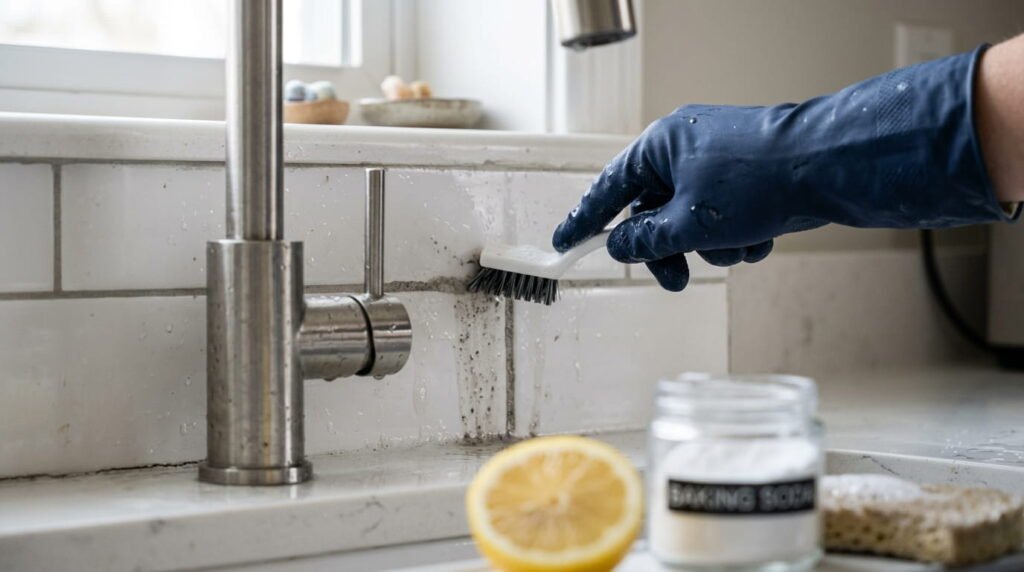
If you’re already following a daily cleaning routine 30 minutes and a realistic weekly cleaning schedule printable, adding a monthly deep clean checklist is the final piece of a complete system. It doesn’t require an entire weekend of exhausting labor. You can spread the tasks across a few days, tackle one room at a time, or devote a single focused morning. This guide gives you a room-by-room checklist, time estimates, prioritization tips, and seasonal adjustments. It fits into the larger framework of a home cleaning routine for daily, weekly, and monthly tasks so your house stays consistently fresh without burning you out.
Why Monthly Deep Cleaning Matters
Daily routines handle surface mess and high-traffic maintenance. Weekly schedules scrub toilets, dust furniture, and vacuum floors. But they don’t reach inside the microwave, behind the fridge, into grout lines, or under sofa cushions. Those neglected spots quietly collect dust, grease, allergens, and bacteria. A monthly deep clean addresses them before they become major problems. It also extends the life of your appliances, keeps your home smelling fresh, and makes the daily and weekly work faster because there’s less embedded grime to fight. The satisfaction of a truly deep-cleaned home, even if it’s just one or two rooms at a time, gives a psychological lift that a quick reset can’t match.
How Often and the Best Time to Deep Clean
For most busy families, a full deep clean once a month is ideal. If your home sees lighter traffic, you might stretch it to every six or eight weeks. The key is consistency, not rigid timing. The best approach is to pick a weekend morning when energy is higher, or to spread tasks across a few weekdays. You can deep clean the kitchen on a Thursday evening while dinner simmers, tackle bathrooms on a Saturday morning, and do bedrooms the following Wednesday after the kids are at school. Total time for a full deep clean ranges from three to five hours, but breaking it into manageable chunks keeps it from feeling overwhelming.
Complete Deep Cleaning House Checklist: Room by Room
Use this checklist as your master guide. Check off tasks as you complete them, or rotate through the list each month so that every area gets attention over time.
Kitchen
- Empty the refrigerator completely. Discard expired food, wipe shelves and drawers with warm soapy water.
- Clean the oven interior according to manufacturer instructions. Wipe down the stovetop, burner grates, and knobs.
- Wipe cabinet fronts, handles, and the range hood filter. Degrease the backsplash.
- Descale the coffee maker and clean the dishwasher filter.
- Deep clean the sink and disposal. Scrub around the faucet base and drain.
- Pull out the refrigerator and stove if possible. Vacuum coils and sweep behind them. If appliances can’t be moved, use a long vacuum attachment to reach underneath.
- Clean the microwave inside and out. Don’t forget the turntable and ceiling.
- Wipe down all countertop appliances, like the toaster and blender.
Bathrooms
- Scrub tile grout with a brush and a paste of baking soda and water or a grout cleaner.
- Wash the shower curtain liner and bath mats. If you have a glass shower door, clean tracks and remove hard water spots.
- Clean the exhaust fan cover. Soak it in warm soapy water and wipe the blades.
- Wipe down cabinet fronts and organize the interior. Dispose of expired products.
- Deep clean the toilet. Scrub under the rim, the exterior base, and behind the bowl.
- Wash mirrors and interior windows with a streak-free cloth.
- Disinfect light switches, door handles, and the toilet flush handle.
Living Room and Family Room
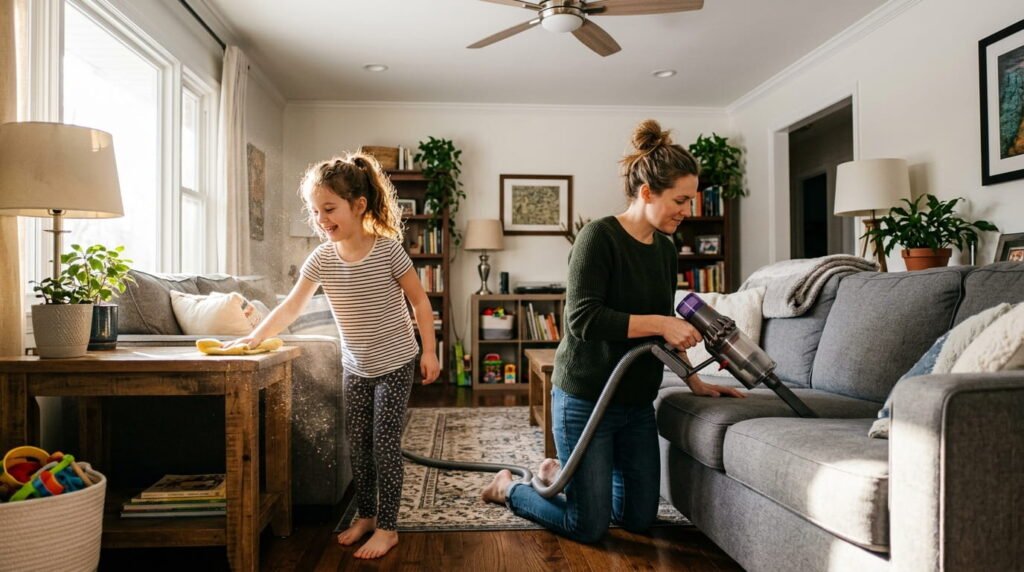
- Vacuum upholstery, including under and between cushions. Use a crevice tool for seams.
- Move furniture as much as possible and vacuum underneath.
- Dust ceiling corners, light fixtures, and ceiling fan blades.
- Wipe down electronics, remote controls, and gaming controllers with a lightly dampened microfiber cloth.
- Wash throw pillow covers, blankets, and any washable slipcovers.
- Wipe baseboards, door frames, and window sills.
- Clean interior windows and window tracks.
Bedrooms
- Strip beds and wash all bedding, including mattress protectors and pillow covers.
- Vacuum mattresses and rotate them if needed.
- Declutter nightstands and under the bed. Return stray items to their homes.
- Dust all surfaces thoroughly: headboards, dressers, lamps, and picture frames.
- Vacuum curtains or wipe blinds.
- Wipe closet shelves and donate clothing that no longer fits or gets worn.
- Clean mirrors and wipe down light switches.
Entryway and Mudroom
- Empty and clean shoe bins or racks. Donate outgrown shoes.
- Wash entry mats and scrub the floor underneath.
- Wipe walls and doors for scuff marks and handprints.
- Sort through backpacks and hooks. Remove out-of-season gear.
- Clean the front door handle, mail slot, and any nearby light fixtures.
Laundry Room
- Wipe down the washer exterior and clean the detergent dispenser.
- Run a cleaning cycle with white vinegar or a washing machine cleaner.
- Clean the dryer lint trap thoroughly and vacuum the vent hose connection.
- Wipe shelves and declutter laundry supplies.
Throughout the House
- Wipe all light switches, door handles, and cabinet knobs with a disinfecting wipe or spray.
- Spot-clean walls for scuffs, fingerprints, and pet marks.
- Clean interior windows and window tracks in all rooms.
- Vacuum air vents and air returns.
- Check smoke and carbon monoxide detectors. Replace batteries if needed.
- Dust and wipe down houseplants.
Time Estimates and Prioritization
A complete deep clean may take four to five hours, but you don’t have to do it all in one day. If you only have two to three hours, prioritize the areas that impact your daily life the most.
Top priorities for a shorter deep clean session:
- Kitchen: refrigerator purge, appliance wipe-down, sink deep scrub.
- Bathrooms: toilet deep clean, shower and tub scrub, mirror and sink wipe.
- Floors: vacuum under furniture and mop all hard surfaces.
- Dusting: ceiling fans, light fixtures, and baseboards in main living areas.
By hitting these high-impact tasks, you’ll get the greatest freshness and hygiene benefit in the least amount of time. You can save bedroom deep cleaning or laundry room maintenance for another weekend.
Tools and Supplies Needed
You don’t need a closet full of specialty items. Many of these tools overlap with your daily and weekly kits.
- Microfiber cloths in different colors
- All-purpose cleaner and a degreaser
- Baking soda, white vinegar, or a commercial grout cleaner
- Vacuum with attachments, including a crevice tool and brush
- Mop with washable pads
- Long-handled scrub brush and an old toothbrush for grout and crevices
- Melamine foam sponges (magic erasers) for scuffs
- Squeegee for windows and mirrors
- A few large trash bags for decluttering
- Rubber gloves
Having a portable caddy stocked with these essentials makes it easy to carry supplies from room to room. If you’ve already set up a minimalist cleaning kit for your daily routine, adding just a few deep cleaning extras like the grout brush and a degreaser will complete it.
Step-by-Step Deep Cleaning Process
Following a logical order makes the work faster and prevents redoing tasks.
- Declutter first. Walk through each room with a basket and remove items that don’t belong. A clear surface is essential before any deep cleaning. If your home needs a bigger decluttering overhaul, the organize your home step by step guide will walk you through a full process.
- Dust from top to bottom. Start with ceiling corners and light fixtures, then work down to furniture, baseboards, and floors. This way, falling dust lands on surfaces you haven’t yet cleaned.
- Tackle wet cleaning. In the kitchen and bathrooms, spray surfaces and let cleaners sit for a few minutes before scrubbing. This loosens grime and reduces elbow grease.
- Clean appliances and interiors. Work through the fridge, oven, microwave, and laundry machines.
- Finish with floors. Vacuum and mop last, after all other dust and debris have settled.
Taking breaks between rooms prevents fatigue. A kitchen deep clean might take forty-five minutes. Give yourself ten minutes to rest before moving to the next space.
Seasonal Deep Cleaning Adjustments
Your monthly deep clean can shift with the seasons to address specific needs.
Spring: Focus on windows, window tracks, and screen cleaning. Wash or vacuum curtains. Dust ceiling fans thoroughly before summer use. Consider a deeper declutter of closets and storage areas.
Summer: Clean air conditioning vents and filters. Wipe down patio furniture and outdoor play equipment. Vacuum sand and grass from entryways more frequently. In homes with a pool, rinse towels and suits promptly to avoid mildew smells.
Fall: Vacuum behind radiators and heating vents before turning on the heat. Clear gutters if that’s part of your home maintenance. Rotate summer clothing out of entryway bins and replace with warmer gear.
Winter: Add a monthly deep clean of entry mats and mudroom floors to manage salt, slush, and mud. Wipe down baseboards more often, as they collect winter grime. Check windows for condensation and wipe frames to prevent mold.
By tweaking your checklist each season, you address the dirt your household actually produces that month.
Common Deep Cleaning Mistakes to Avoid
Even with the best intentions, a few missteps can make deep cleaning less effective or more exhausting. Watch out for these common pitfalls.
Cleaning without decluttering first. You’ll waste time moving piles and won’t reach the actual surfaces. Clear each zone before you start.
Skipping dusting before wet cleaning. If you mop or wipe counters before dusting overhead, particles drift down onto freshly cleaned areas.
Trying to do everything in one day with no breaks. This leads to burnout and sloppy work. Spread tasks across a few sessions or take intentional breaks.
Using the wrong products on delicate surfaces. Harsh chemicals can damage stone countertops, wood floors, or stainless steel. Check labels and test in a hidden spot.
Neglecting hidden areas. Light switches, doorknobs, remote controls, and appliance handles carry germs and fingerprints. Include them every month.
Forgetting to maintain tools. A vacuum with a full bag or a dirty mop pad won’t clean well. Empty and wash your tools regularly.
Frequently Asked Questions
How long should a full deep clean take?
For an average family home, a complete deep clean takes three to five hours. You can break it into smaller chunks across several days, like tackling the kitchen one evening and bathrooms the next morning.
Can I break the deep clean over multiple days?
Yes, and I highly recommend it for busy families. Assign one room per day, or dedicate two weekends a month to different zones. The checklist is designed to be flexible.
What are the most important areas to focus on?
If time is tight, prioritize the kitchen (appliances and sink), bathrooms (toilets, showers, and mirrors), and floors (vacuuming under furniture and mopping). These areas have the biggest impact on hygiene and daily comfort.
Do I need special equipment or expensive cleaners?
No. A basic kit of microfiber cloths, an all-purpose cleaner, baking soda, white vinegar, a scrub brush, and your regular vacuum with attachments can handle almost every task. Specialty products are optional.
How do I deep clean with kids and pets around?
Involve kids in age-appropriate ways, like wiping baseboards or sorting their own drawers. For safety, keep strong cleaners out of reach and let rooms ventilate. Schedule deep cleaning during nap time or when the kids are at school. For pets, keep them in a separate room while you clean floors and apply products.
Conclusion
A monthly deep clean might sound like a heavy lift, but when you break it into small, scheduled tasks, it becomes a manageable and even satisfying part of your home care rhythm. This checklist removes the guesswork. You know exactly what needs attention, and you can tackle it at your own pace. The reward is a home that feels truly fresh, with fewer hidden odors, less dust, and a lighter overall cleaning load.
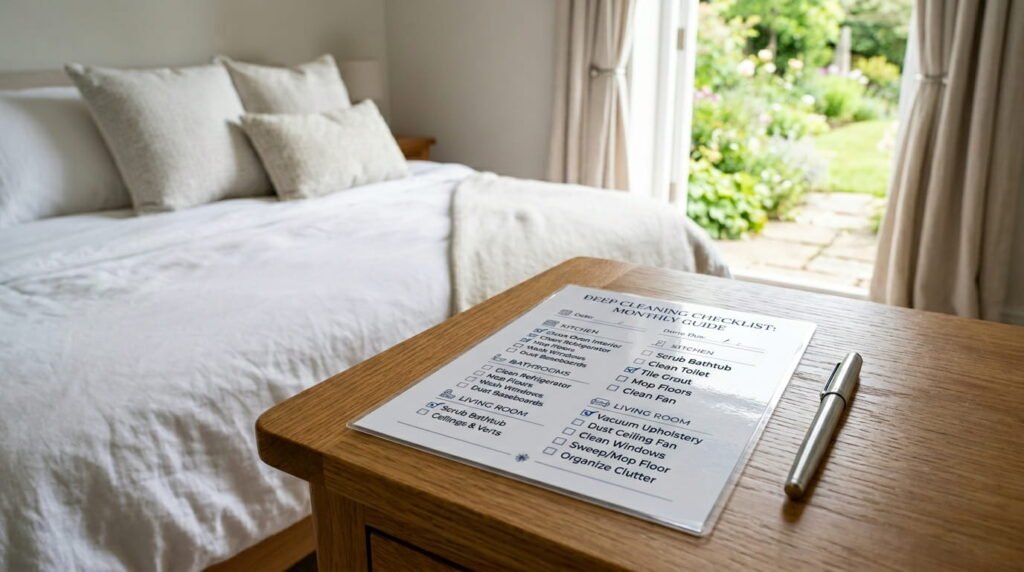
Start with one room this weekend. Print the checklist and check off three or four items. Notice how much brighter and more comfortable that space feels. Then gradually work through the rest over the month. When you combine this deep cleaning habit with the daily cleaning routine 30 minutes and the weekly cleaning schedule printable, you’ll have a full, sustainable system that supports your busy family life. And if clutter is still a persistent challenge, the organize your home step by step guide will help you create the organized foundation that makes all cleaning easier.
A fresh, clean home isn’t a distant goal reserved for people with extra time. It’s a rhythm you can build, one small task at a time. You’ve got this.




Leave a Reply